You’re having fun with dinner in a pleasant restaurant. Instantly your lips and tongue are tingling, and you start to feel dizzy and anxious. Respiration turns into labored. What’s occurring to you? Chances are high you’re having an allergic response to one thing in your meal.
All allergic reactions are responses to sensitivities we could must allergens, which are sometimes protein substances present in meals, drugs, insect and spider venom, plant materials, chemical substances, the air we breathe, and issues we generally contact. Allergy symptoms may be with us from beginning, or out of the blue develop at any age—and a few are generally outgrown as we mature. Typically the primary publicity to an allergen produces solely a light response in a delicate individual, however repeated exposures end in an increasing number of severe reactions.
How harmful are allergy symptoms?
The reactions can vary from gentle (however depressing) to life-threatening. Most reactions happen quickly after the publicity—and even instantly throughout the first two hours. All the time take note of allergy symptoms and deal with them or get medical consideration immediately. Probably the most excessive and harmful response is anaphylaxis, or anaphylactic shock—a sudden, extreme response that may really result in dying in as little as fifteen minutes if not handled.
What are the commonest allergens?
- Meals allergens: shellfish, fish, peanuts (very harmful, particularly as a result of there’s usually “hidden” peanut content material in lots of processed meals), tree nuts, tomatoes, strawberries, eggs, milk, and soy merchandise
- Animal dander, saliva, or urine; mud mites
- Venom from bites and stings, particularly bees, wasps, and a few ants and spiders
- Medicines, oral or injected, together with insulin, antibiotics, and anti-inflammatories akin to aspirin and ibuprofen
- Vegetation and pollens, notably poison ivy, poison oak, grasses, molds, many springtime pollens
- Dyes, chemical substances, metals, substances in soaps and cosmetics
What are the commonest signs of allergic reactions?
- Itchy rash or hives
- Flushing of face or neck
- Tingling lips or tongue
- Swollen face, lips, eyes, or throat
- Stomach cramping, nausea, diarrhea
- Dizziness or light-headedness
- Sneezing, dripping nostril, weeping, itchy eyes
- A good feeling within the chest, issue respiratory, bronchial asthma
- Nervousness, coronary heart palpitations
- Lack of consciousness
Why are some individuals allergic to a substance when most others should not?
An allergy is an overreaction of an individual’s immune system to a selected substance that it regards as a risk. What triggers one individual’s allergy symptoms may not hassle one other in any respect. People who find themselves particularly liable to allergy symptoms are stated to be “atopic.” The tendency to be atopic appears to be partially genetic, as sensitivities appear to run in households—however the setting additionally performs a component. Whether or not or not the individual “likes” the offending substance or its provider has nothing to do along with his allergy. An individual who loves cats or canine could sadly nonetheless develop an allergy to them, and somebody who enjoys shrimp and lobster could must keep away from them in any respect prices. A person who lives by farming could also be compelled to seek out one other occupation if he has severe reactions to the crops or animals he should work with on the farm. Kids who love “pb&j” sandwiches could also be dangerously allergic to peanuts. NOTE: Dad and mom who warn you about their youngsters’s allergy issues should not being overprotective: they’re being prudent and cautious. Listen!
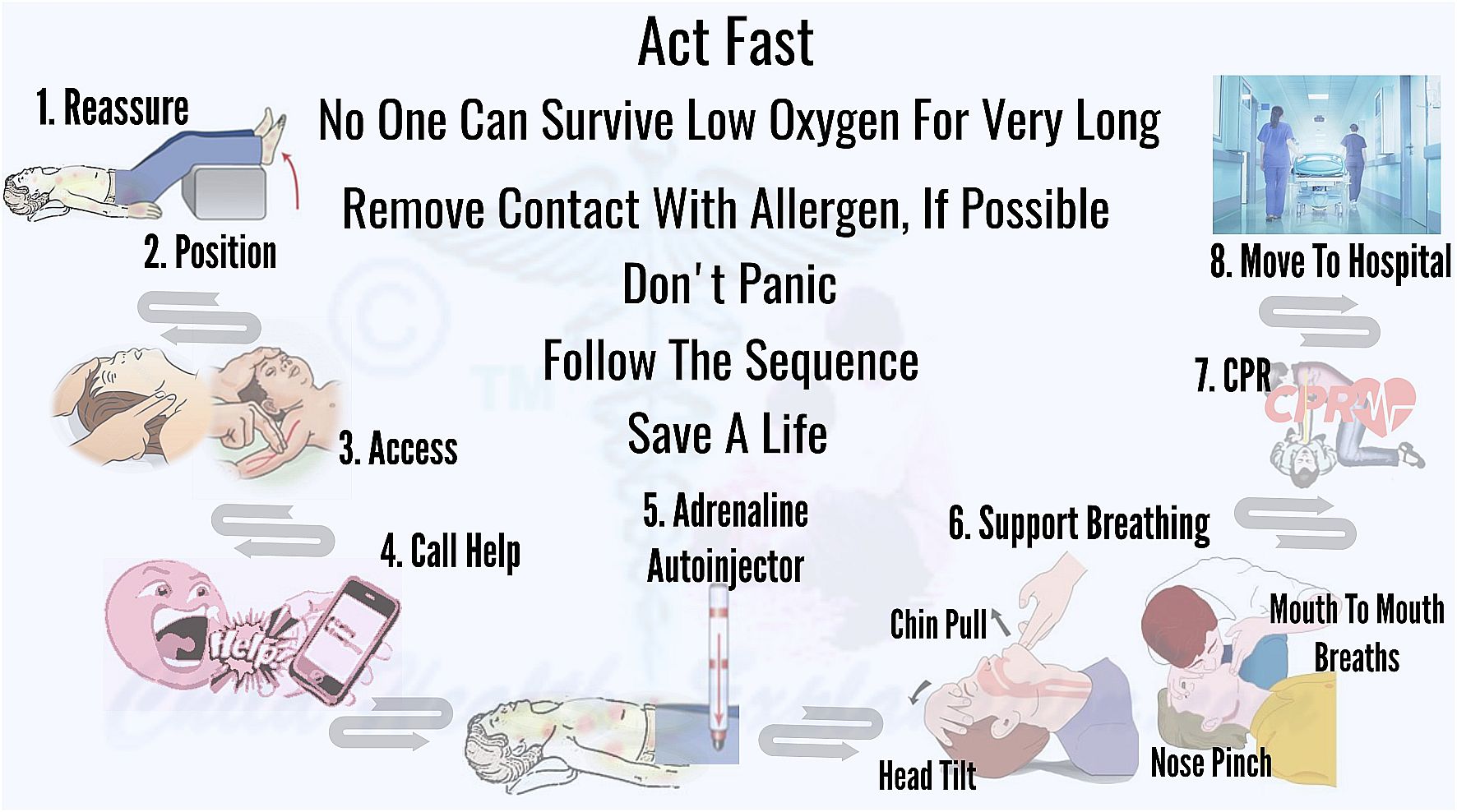
What do you have to do when you (or somebody with you) has a sudden allergic response?
- Attempt to ID the allergen if attainable and take away it from the scene.
- For a rash, chew, or sting, take away stinger if one is current, wash the location, apply a chilly compress and use a hydrocortisone cream akin to Benadryl. Take or administer an over-the-counter antihistamine as effectively, except swallowing is hampered.
For extra extreme reactions:
- Name 911, then administer CPR if the individual just isn’t respiratory or you possibly can’t get a pulse.
- Have the individual lie flat if attainable with ft elevated
- Don’t place a pillow underneath the top if that tilts the top ahead, as that may additional constrict the airway—however a small, rolled towel underneath the individual’s neck would possibly make them extra snug
- Preserve them heat; cowl them with a blanket or coat
- Know your family members allergy symptoms, whether or not they carry an Epi-pen or comparable treatment with them, and know methods to use it in case they lose consciousness
How are allergy symptoms recognized and handled medically?
Allergy specialists can administer assessments to determine precisely what substance or substances set off an individual’s allergic reactions, and may suggest therapies. In some instances, they can assist the sufferer change into less-sensitive to the offending substance.
