If you have a tomato allergy, you need to be cautious about what you eat. It’s not just obvious products like ketchup and salsa that can trigger a reaction. Many processed and packaged foods contain hidden tomato ingredients that you might overlook. As you navigate your meals, it’s essential to stay informed about where tomatoes might be lurking. Keep going to uncover the surprising foods you should avoid and how to stay safe.
Key Takeaways
- Avoid tomato-based products like ketchup, salsa, and marinara sauce, which are common allergens.
- Check canned goods for hidden tomato ingredients, such as diced tomatoes and tomato puree.
- Be cautious with soups and stews, as they often contain tomato paste or puree as a base.
- Watch for tomato in salad dressings, especially Italian and vinaigrettes, which may include tomato extracts.
- Read labels on processed and vegan foods, as many contain hidden tomato ingredients, including sauces and snacks.
Common Foods Containing Tomatoes
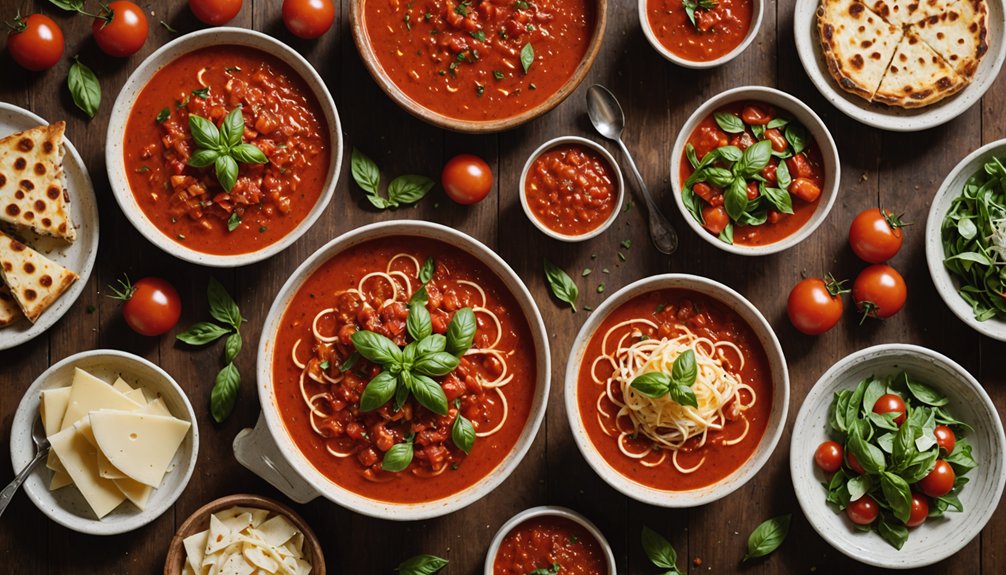
When you have a tomato allergy, it’s crucial to be aware of the many common foods that contain tomatoes.
You’ll want to avoid tomato-based products like ketchup, salsa, and tomato sauce, which are staples in many processed foods.
Soups and stews often sneak in tomato ingredients, so always read labels or ask about ingredients when dining out.
Soups and stews frequently contain hidden tomato ingredients; always check labels or inquire about ingredients when eating out.
Additionally, salad dressings labeled as “Italian” or “vinaigrette” may hide tomato products, making label-checking essential.
Canned goods like diced tomatoes, tomato puree, or tomato paste are also common allergens that need exclusion from your diet.
Lastly, be cautious with certain snack foods, as some chips or dips might contain tomato powder or flavoring.
Always examine ingredient lists carefully to prevent accidental exposure. Tomato allergy symptoms can vary significantly among individuals, so understanding your specific triggers is essential for effective management.
Sauces and Condiments to Avoid
If you’re navigating a tomato allergy, steering clear of certain sauces and condiments is essential for your health. Many store-bought options can contain hidden tomato ingredients, so always read labels carefully. Here are some key sauces and condiments to avoid:
| Sauce/Condiment | Reason to Avoid | Safe Alternatives |
|---|---|---|
| Ketchup | Contains tomatoes | Mustard, mayo |
| Salsa | Tomato-based | Guacamole, pico de gallo |
| Italian Dressing | May contain tomato puree/extract | Balsamic vinaigrette |
| Marinara Sauce | Tomato-based staple | Pesto, cream sauces |
Processed Foods With Hidden Tomato Ingredients
Avoiding processed foods is crucial for anyone with a tomato allergy, as many products contain hidden tomato ingredients that can trigger reactions.
Soups and sauces often include tomato paste or puree, making them unsafe choices. Be especially cautious with salad dressings labeled “Italian” or “vinaigrette,” which frequently have tomato-derived components.
Certain snacks, like chips and dips, might contain tomato powder, so always check labels for hidden ingredients.
Pre-packaged meals and frozen foods, such as casseroles or pasta dishes, often rely on tomato-based sauces, necessitating careful scrutiny of ingredient lists.
Even condiments and marinades, like barbecue sauce and salsa, commonly include tomatoes, highlighting the need to read labels on seemingly unrelated processed foods.
Stay safe by staying vigilant!
Restaurant Dishes That May Include Tomatoes
Dining out can be tricky for those with a tomato allergy, as many restaurant dishes often include tomatoes or tomato-based ingredients.
To help you navigate, here are some common dishes to watch out for:
- Italian Dishes: Pasta, pizza, and lasagna frequently contain tomato sauce, posing a risk.
- Salads and Dressings: Vinaigrettes and bottled dressings may have hidden sources of tomatoes or tomato flavoring, so read labels carefully.
- Soups and Salsas: Tomato bisque and vegetable soups often use tomatoes as a base, while many salsas and dips include tomato paste.
Always inquire about ingredients when dining out.
Being aware of these hidden sources can help you avoid allergic reactions and enjoy your meal safely.
Snacks and Packaged Foods to Watch Out For
When navigating the snack aisle, it’s crucial to be aware that many packaged foods can contain hidden tomato ingredients. Chips, crackers, and dips often include tomato powder or tomato-derived ingredients, so always check the label.
Salsa and certain hummus varieties are unsafe, as they typically feature tomatoes as a main component. Be cautious with salad dressings, especially those labeled “Italian” or “vinaigrette,” since they may contain tomato extract or puree, triggering tomato allergy symptoms.
Even seemingly innocent snacks like flavored popcorn or snack bars can harbor tomato flavoring. Processed foods, such as canned soups and stews, frequently use tomatoes as a base, making diligent label scrutiny essential for your safety.
Stay vigilant to avoid any accidental exposure!
Canned and Jarred Products With Tomato Additives
Since many canned and jarred products often contain tomato additives, it’s vital to scrutinize ingredient labels before purchasing.
You might be surprised at the hidden sources of tomatoes in these items.
Here are three common types of canned products to watch out for:
- Soups and Stews: Many contain tomato puree or diced tomatoes, even if they’re not the main ingredient.
- Salsas: These may list tomatoes higher up the ingredient list, disguising their presence.
- Pre-packaged Meals: Frozen dinners often use tomato-based sauces, so always check those ingredient labels.
Salad Dressings and Marinades to Check
While enjoying a salad or grilled dish, you mightn’t realize that many store-bought salad dressings and marinades contain hidden tomato ingredients.
It’s essential to read labels carefully, as many dressings use tomato-based ingredients like puree or paste, which can trigger allergic reactions. Marinades often include tomato products as a flavor base, so checking for hidden sources is crucial.
Read labels diligently; many dressings and marinades hide tomato ingredients that can provoke allergic reactions.
Some vinaigrettes may even use tomato juice or extract to boost flavor, posing a risk for those with tomato allergies. Additionally, pre-packaged salads or coleslaw mixes might contain tomato-based dressings that could affect your health.
To stay safe, consider making homemade dressings using vinegar, oil, or mustard to avoid unintentional exposure to tomatoes in commercial products.
Baked Goods and Prepared Meals
If you’re managing a tomato allergy, it’s crucial to be cautious about baked goods and prepared meals, as many of these products often hide tomato-based ingredients.
To help you navigate these hidden sources, keep these points in mind:
- Baked Goods: Some breads and pastries may contain tomato powder or sauces, so always read labels carefully.
- Prepared Meals: Frozen dinners and packaged entrees often use tomato as a base for sauces, requiring you to check ingredient lists.
- Pizza Crusts: Certain dough products might incorporate tomato ingredients for flavor, so be vigilant when selecting these items.
Vegetarian and Vegan Products With Tomato
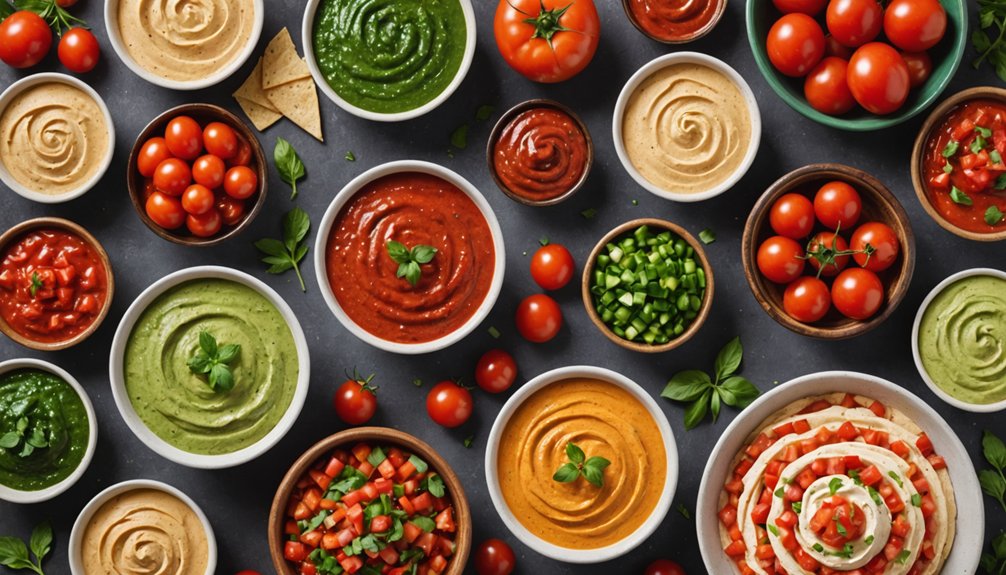
Navigating vegetarian and vegan products can be tricky when you’re allergic to tomatoes. Many meat substitutes and veggie burgers often contain tomato-based ingredients like tomato paste or sauce, so always read labels carefully.
Common vegan sauces, dressings, and dips—think marinara sauce, salsa, or certain pesto varieties—typically include tomatoes as a primary ingredient. Additionally, some plant-based soups and stews may use tomatoes as a base, making vigilance essential when choosing packaged products.
Even vegan snack foods like chips or crackers can have tomato powder or flavoring, which may trigger allergic reactions. Lastly, seemingly simple items like vegetable broth may contain tomato extracts, further emphasizing the importance of checking every ingredient when selecting vegetarian or vegan options.
Alternative Ingredients and Substitutes
Finding suitable alternatives when you’re avoiding tomatoes doesn’t have to be overwhelming.
You can easily find alternative ingredients and substitutes that cater to your food intolerances while still delivering delicious flavors. Here are three great options:
- Roasted Red Peppers: Use these in sauces and salads for a sweet flavor and similar texture to tomatoes.
- Pumpkin Puree: This makes a creamy base for soups and sauces, adding nutrition without allergens.
- Carrots: They add natural sweetness and depth to soups and stews, enhancing flavors without needing tomatoes.
Conclusion
In conclusion, staying safe with a tomato allergy means being vigilant about what you eat. Always check labels and ask about ingredients, especially when dining out. From sauces and processed foods to snacks and salad dressings, hidden tomato sources can pop up in unexpected places. By being proactive and aware, you can enjoy a variety of foods while avoiding allergic reactions. Remember, it’s all about knowledge and caution in your food choices!