
Yeast allergy is a relatively uncommon but increasingly recognized condition that affects some individuals. It occurs when the immune system reacts to proteins found in yeast, leading to a range of symptoms. These symptoms can vary in severity and may include skin rashes, itching, hives, digestive issues, and respiratory problems.
Managing yeast allergy requires a thorough understanding of the condition and the foods and products that may contain yeast. This can be challenging, as yeast is a common ingredient in many foods, including bread, beer, and baked goods. It can also be found in some medications, supplements, and personal care products.
Individuals with yeast allergies may need to avoid certain foods and products or seek out alternative options. This may require careful reading of food and product labels and work closely with a healthcare provider or registered dietitian.
Symptoms:
Yeast allergy can cause a range of symptoms, varying in severity from person to person. Some common symptoms of yeast allergy include:
- Itching: Yeast allergy can cause itching in various body parts, such as the skin, eyes, and mouth.
- Redness and swelling: Yeast allergy can cause redness and swelling in the affected areas, such as the skin, eyes, and mouth.
- Hives: Yeast allergy can cause the development of hives, which are raised, red, and itchy bumps on the skin.
- Digestive issues: Some individuals with yeast allergy may experience digestive issues such as bloating, gas, diarrhea, and abdominal pain.
- Respiratory problems: Yeast allergy can also cause respiratory problems, such as wheezing, coughing, and difficulty breathing.

Diagnosis:
Diagnosing a yeast allergy can be challenging, as the symptoms can be similar to other conditions. However, healthcare providers can use a combination of approaches to determine if a person has a yeast allergy.
- One common method is skin testing, in which small amounts of yeast extract are applied to the skin and then observed for a reaction. If a person is allergic to yeast, the skin will develop a raised, red, and itchy bump in the area where the yeast was applied.
- Another method is serum testing, which involves taking a blood sample and testing it for antibodies to yeast. This method can be useful in cases where skin testing is not possible or inconclusive.
Managing:
Managing the symptoms of yeast allergy can be challenging, but there are various options available that can help alleviate discomfort and prevent potential allergic reactions. Here are some common management strategies:
- Avoidance of yeast-containing foods and products: One of the most effective ways to manage yeast allergy is to avoid foods and products that contain yeast
- Medications: Antihistamines and corticosteroids can help manage symptoms such as itching, redness, and hives.
- Immunotherapy: In some cases, immunotherapy can be used to desensitize the immune system to yeast.
- Probiotics: Probiotics are beneficial bacteria that can help improve gut health and support the immune system.
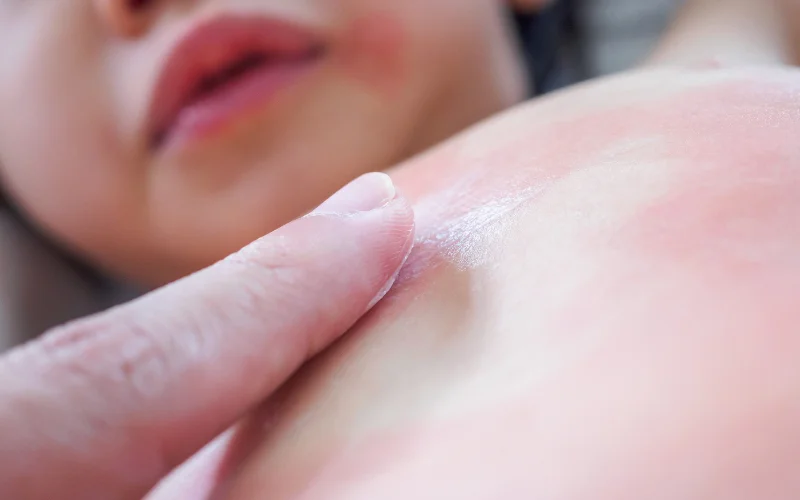
- Topical treatments: Over-the-counter creams and lotions can help alleviate skin symptoms such as itching and redness.
Prevention:
While yeast allergy cannot be prevented, there are some steps that individuals can take to reduce their risk of developing an allergy or experiencing allergic reactions. One important prevention strategy is to avoid sources of yeast, including bread, beer, and other food products that contain yeast.
Other strategies that can help reduce the risk of yeast allergy include maintaining good hygiene practices and taking care of the skin. For example, using a dry towel after using a bidet can help prevent excess moisture that can lead to yeast overgrowth and potential allergic reactions.
