
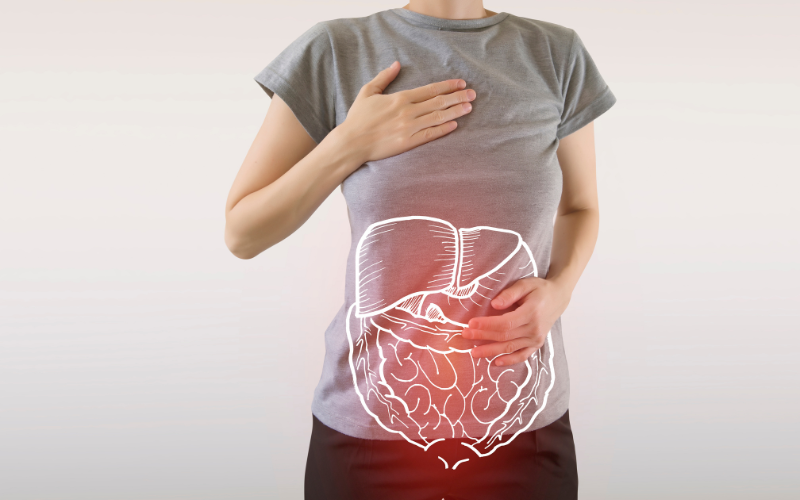
Your diet plays a significant role in your digestive health, and certain foods can have a direct impact on the development of digestive issues, including hemorrhoids. Consuming a diet high in processed foods, refined sugars, and low in fiber can lead to constipation and straining during bowel movements, which is a significant risk factor for developing hemorrhoids.
On the other hand, incorporating high-fiber foods, such as fruits, vegetables, whole grains, and legumes, into your diet can help promote regular bowel movements and reduce your risk of developing hemorrhoids.
In some cases, food allergies can also contribute to digestive issues, including hemorrhoids. If you suspect that you have a food allergy, it is essential to work with a healthcare provider to identify the allergen and make appropriate dietary changes to reduce your risk of developing digestive issues.
Diet and food allergies can have a significant impact on a person’s health and lifestyle. Here are some pros and cons of following a diet or dealing with food allergies:
Protein:
While protein is essential for building and repairing tissues in the body, consuming excessive amounts of protein can have negative effects on health. Here are some of the potential negative effects of consuming too much protein:
- Kidney Damage: Consuming too much protein can put a strain on the kidneys, leading to kidney damage over time.
- Dehydration: High-protein diets can cause dehydration because protein metabolism requires more water than carbohydrate or fat metabolism.
- Digestive Issues: Consuming large amounts of protein can also cause digestive issues, such as constipation, diarrhea, and bloating.
- Increased Risk of Chronic Diseases: Some studies suggest that high-protein diets, particularly those high in animal protein, may increase the risk of chronic diseases such as heart disease, cancer, and osteoporosis.
- Nutritional Deficiencies: Consuming a diet that is too high in protein may lead to nutritional deficiencies in other important nutrients, such as carbohydrates, fiber, and certain vitamins and minerals.
Fruits & Veggies:
Fruits and vegetables are essential components of a healthy diet, providing a wide range of positive effects on the body. Here are some of the potential positive effects of consuming fruits and vegetables:
- Reduced Risk of Chronic Diseases
- Improved Digestive Health
- Weight Management
- Improved Skin Health
- Improved Mental Health
Fiber:
Fiber is a crucial nutrient for maintaining gut health, and it plays a significant role in preventing digestive issues such as constipation and hemorrhoids. Consuming a diet high in fiber can help regulate bowel movements, prevent straining during bowel movements, and reduce the risk of developing hemorrhoids.
Hemorrhoids are swollen veins in the lower rectum or anus that can cause discomfort and pain. Here are some common symptoms and signs of hemorrhoids:
- Itching or irritation around the anus
- Pain or discomfort, especially during bowel movements
- Swelling or a lump around the anus
- Bleeding during bowel movements
- Leakage of feces
- A feeling of incomplete bowel movement
- Mucous discharge from the anus
In addition to a high-fiber diet, some cultures have developed innovative solutions to promote good digestive health and prevent hemorrhoids, such as Japanese toilets. Japanese toilets, also known as bidets, are equipped with a water spray function that washes the anus after using the toilet. This gentle cleaning method reduces the need for toilet paper, which can be abrasive and irritating to the skin, especially for those with hemorrhoids.
The use of bidets has been shown to reduce the incidence of hemorrhoids and other digestive issues, such as anal itching and burning. This is because bidets provide a more hygienic and gentle cleaning method that does not cause friction and irritation to the anal area.
Sugars & Fats:
Sugars and fats are two nutrients that are often demonized in the media, but the truth is that they are important components of a healthy diet. However, consuming excessive amounts of sugar and fats can have negative effects on health. Here are some of the potential negative effects of consuming too much sugar and fats:

- Weight Gain
- Increased Risk of Chronic Diseases
- Dental Health Issues
- Digestive Issues
Related Article: Symptoms and Treatment of a Banana Allergy
