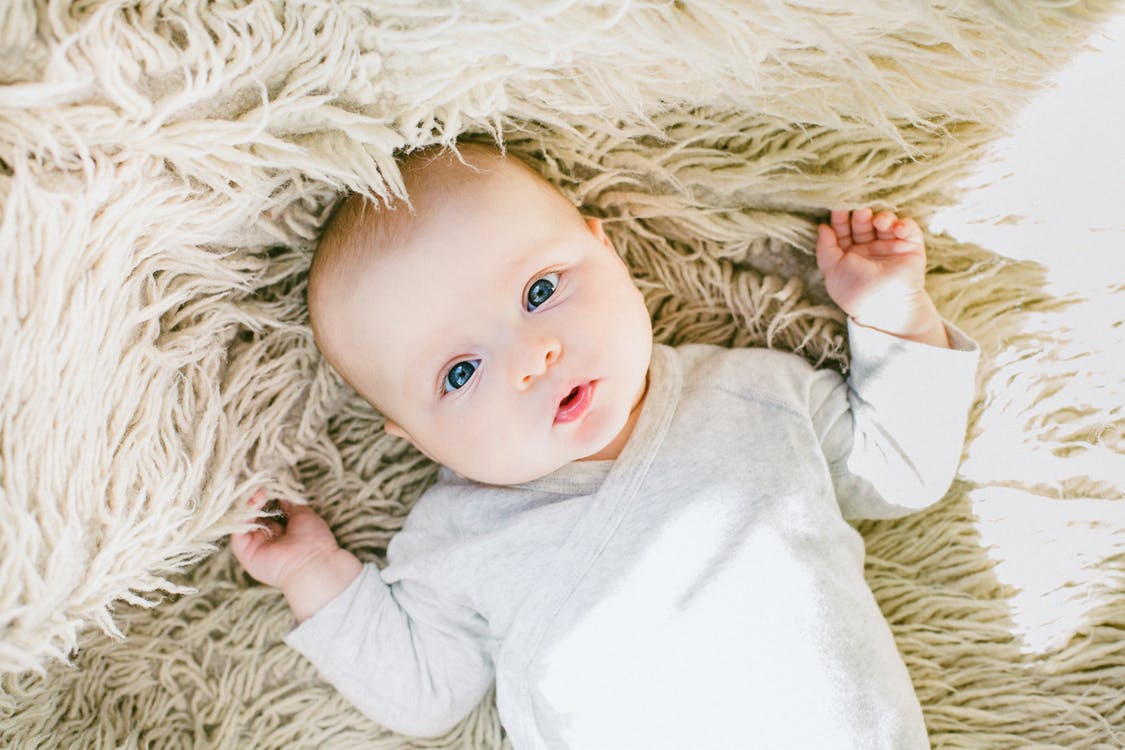
Your baby is six months old, and you plan to introduce solid foods to your little champ’s diet. Though it is exciting, you may know the food allergies that few babies develop. Yet, it is the most common concern for many parents. Being a parent, you must know the signs of food allergy in babies to take action if necessary.
Food Allergies in Baby
A baby can have an allergic reaction for numerous reasons. An allergic reaction occurs when the body responds severely to a usually harmless element, like soap or food. Babies have sensitive skin, which makes them more likely than adults to have a rash. Even a slight irritation to a baby’s skin is enough to activate signs of food allergy in the baby.
How do you know if your child has a Food Allergy?
A food allergy occurs when the body reacts against harmless proteins that originate in foods. The reaction generally happens shortly after a food is eaten. However, food allergy reactions can fluctuate from mild to severe. Because many things can be jumbled with food allergies, parents need to know the difference.
Food Allergy Signs to Look for in Your Baby
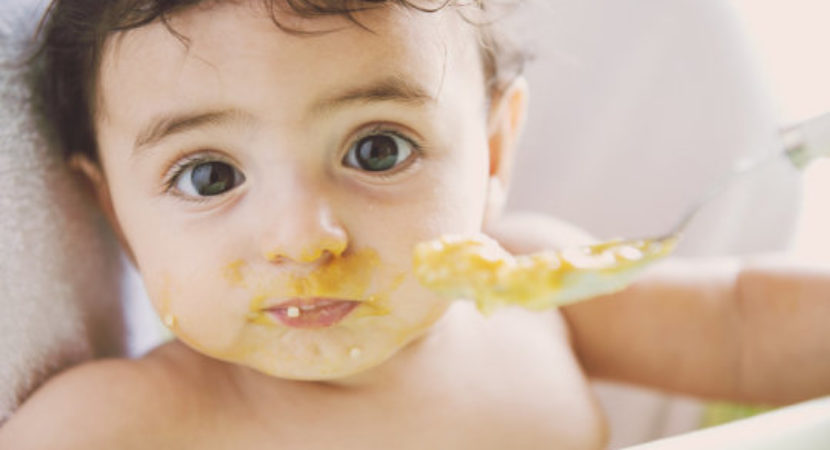 Signs of food allergy in babies frequently appear very soon after the food is eaten, within a few minutes to a couple of hours. If you’re leading a new food to your baby, you must look for these symptoms:
- Hives or welts
- Flushed skin or rash
- Face, tongue, or lip swelling
- Runny or blocked nose
- Vomiting and diarrhea
- Coughing or wheezing
- Trouble breathing
- Worsening asthma symptoms
- Loss of consciousness
Severe Signs of Food Allergy in Baby
Severe allergic reactions can be fatal very rapidly. If your baby is facing difficulty breathing/wheezing, has swelling on her face/lips, or experiences severe vomiting or diarrhea after eating, instantly call 911. You can inform your pediatrician later.
Mild Signs of Food Allergy in Baby
Call your pediatrician for further medication if you see mild symptoms, such as hives or a rash. The doctor may refer you to an allergist (allergy specialist doctor), who will ask more questions and do a physical test. Most food allergy symptoms are mild; however, severe anaphylaxis reactions sometimes occur.
Some allergies go away with little or no time. For example, egg and milk allergies often go away as children get older, but peanut, tree nut, and shellfish allergies tend to be persistent.
Research has shown that peanut allergy can be treated by administering peanut immunotherapy drops under the tongue, even if your baby is one year old.
Foods that can Cause Food Allergies
 Any food can cause signs of food allergy in a baby, but the following things cause most food allergies:
- Cow milk
- Eggs
- Peanuts
- Soy
- Wheat
- Tree nuts (such as walnuts, pistachios, pecans, and cashews)
- Fish (such as tuna, salmon, and cod)
- Shellfish (such as shrimp and lobster)
- Peanuts, nuts, and seafood are the most frequent causes of severe reactions. Allergies might occur in other foods, such as meats, fruits, vegetables, grains, and seeds like
The important thing is that food allergies are often outgrown during early childhood. It is estimated that 80% to 90% of egg, milk, wheat, and soy allergies are left behind by the age of five years. However, some allergies are more persistent. Your pediatrician or allergist can do tests to find out your child’s food allergies and look to see if they are going away.
Prevention
 It is not possible to prevent allergic reactions in babies, but there are steps that parents and attendants can take to reduce the risk. These consist:
- washing the baby’s clothes in hypoallergenic detergent
- using fragrance-free shampoo, lotions, and soap
- washing the baby’s bedding in hot water every week to reduce the chance of dust mites
- vacuuming frequently
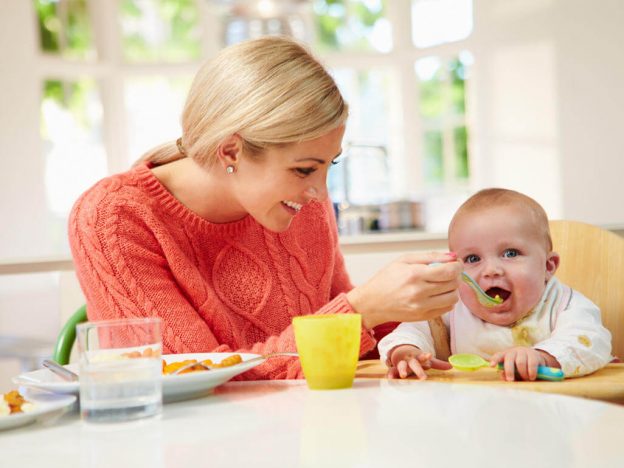
- introducing new foods one at a time
If a baby observes an allergic reaction after breastfeeding, it might be beneficial to keep a food diary to avoid the underlying cause. Dairy is a fundamental factor, particularly before the infant reaches one year of age.
After identifying the allergen, it may help to avoid eating the food while breastfeeding. However, it is best to ask a doctor before making changes to the diet.
Treatment
Not all reactions in babies need treatment. For instance, a mild rash will likely fade within a few hours and may not trouble the baby at that specific time. The treatment can vary according to the different types of rash or reaction. Generally, the following treatments may help:
- Avoiding triggers: Soaps, detergents, and scented lotions may irritate a baby’s skin, so it may be the best thing to avoid using chemical cleaners and to use hypoallergenic items instead.
- Washing with a fragrance-free cleanser: After using a mild, scent-free soap, pat the baby’s skin dry and avoid rubbing it too hard, as this can also irritate the skin.
- Applying a moisturizer: Using a hypoallergenic moisturizer after a baby’s bath may help to prevent dry skin. Moisturizers also protect the skin from irritants.
- Using 1-percent hydrocortisone cream: Hydrocortisone cream can treat skin rashes relating to eczema or many other allergic reactions. Although it is usually safe to use for infants for short periods, it is necessary to speak to a doctor first.
- Considering scratch mitts: Scratch mitts prevent a baby from scratching a rash with their fingernails. Too much scratching can adversely affect the skin and lead to an infection.
- Allergy diagnostic tests: If the mild symptoms developed by eating any of the food allergens are getting worse daily, consult a doctor for allergy testing. The doctor may advise you to take a blood or skin test of your baby to check allergies to a specific food.
Conclusion
Allergic reactions and sensitivities are widespread in babies because they have sensitive skin. In most cases, these reactions are mild, and parents or attendants can treat them at home. However, identifying the allergen can help save your child for future responses. Most babies will grow out of their allergies, but others instigate new ones as they age.
