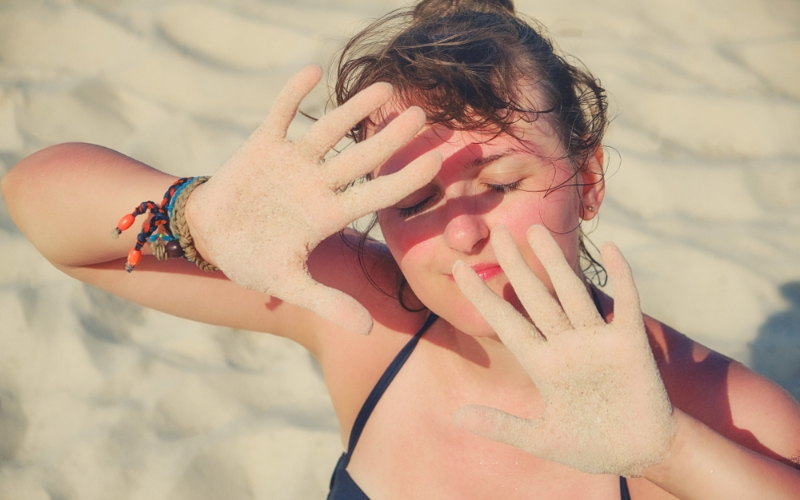
A sun allergy is a response of the immune system due to sun sensitivity; as a result, an itchy rash develops on the skin. Also called photosensitivity, this condition develops when the sun-exposed skin responds abnormally to the sun.
There are various underlying causes of sun allergy. Family history is one of the causes that affect some people. While some triggers, such as touching certain plants or taking certain medications, may also result in developing symptoms. Other types of causes behind sun-related allergies are still unknown.
The symptoms of sun allergy vary from mild to severe. Mild symptoms disappear without treatment; however, severe rashes can be treated with pills or ointment creams and by taking preventive measures such as wearing cool, damp clothes.
Kinds of Sun Allergy
There are different kinds of sun allergies depending upon the types of rashes, causes, and sensitivity of people:
Actinic prurigo
Actinic prurigo causes raised papules or nodules on the skin after exposure to sunlight and also affected areas of your body that are not exposed to the sun.
People from Latin America and American Indians with darker skin are more affected by it, and symptoms begin to appear in childhood or adolescence. It is found hereditary, the most common cause, and is also called Hutchinson’s summer prurigo.
Actinic prurigo in temperate regions shows a seasonal pattern similar to classic PMLE. While in tropical areas, symptoms can persist throughout the year.
Photoallergic Reaction
This type of sun allergy occurs due to skin reactions caused by sunlight (UV light) and a chemical present in substances applied to the skin or ingested in drugs.
Substances applied to the skin that can cause such an allergy include sunscreens, cosmetics, perfumes(fragrances), and antibiotic ointments.
Drugs that can cause sun allergy include commonly prescribed antibiotics like tetracyclines, fluoroquinolones, and sulfonamides, NSAIDs such as ibuprofen (Advil, Motrin) and naproxen sodium (Aleve, Naprosyn), antifungal, antihistamines, retinoids, birth control pills and diuretics used to manage high blood pressure and heart failure.
Such a reaction is known as a photoallergic eruption. The duration of this condition is variable, but symptoms typically resolve upon identification of the offending chemical and discontinuation of its use.
Polymorphous Light Eruption(PMLE)
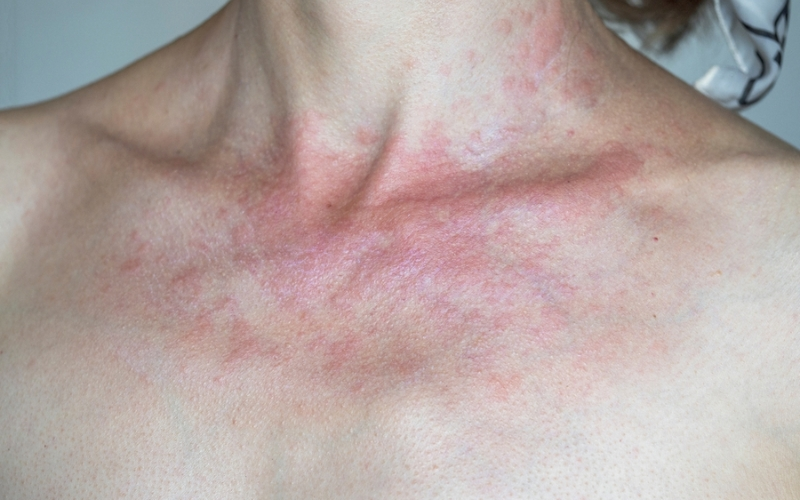
This type of allergy is more common in people assigned female at birth, women, teenagers, young adults, and people with lighter skin.
Within a few hours of exposure to the sun, small bumps, patches, or blisters appear on the skin. Its rash mostly disappears within 2-3 days of exposure if re-exposure to the sun is avoided.
Repeated sun exposure during spring and summer may cause hardening (skin sensitivity to the sunlight decreases naturally) among people. However, in some individuals, a few hours of exposure may contribute to hardening, while in some, it may take several weeks.
Solar Urticaria
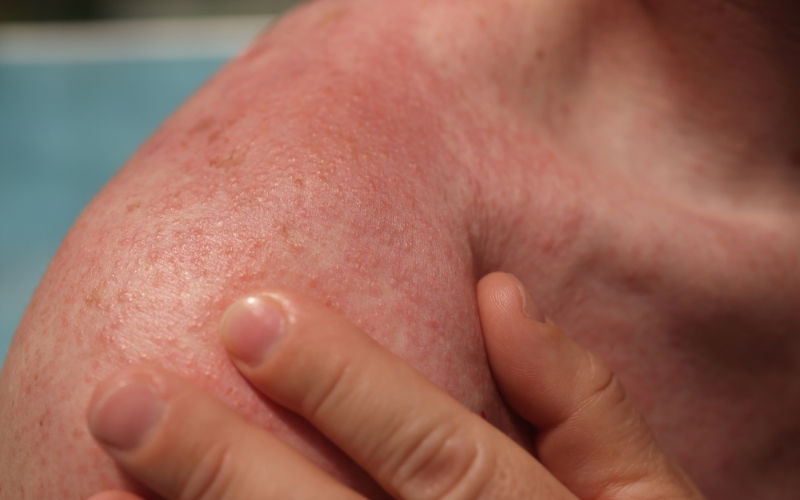
This kind of sun allergy results in hives (large, itchy, red bumps) within a few minutes of exposure to the sun. Its symptoms may range from mild to severe. It mainly affects young women.
Usually, the hives disappear within 30 minutes of exposure; however, they may reappear on exposure to the sun again.
Sun Allergy Symptoms

Signs and symptoms of sun allergy can include:
- Redness
- Itchiness or pain
- Tiny lumps that may unite into elevated stains
- Scaling, crusting or bleeding
- Blisters or Illness
Rare symptoms include:
- Headache.
- Light-headedness or fainting.
- Nausea and vomiting.
- Wheezing or shortness of breath.
- Life-threatening anaphylaxis (with solar urticaria).
Signs and symptoms generally occur on skin exposed to sunlight and typically grow minutes to hours after sun exposure.
Risk factors
The following people are at high-risk factor:
- People with a family history of sun allergy
- People with lighter or darker skin
- People with dermatitis
- People sensitive to disinfectants, chemicals of sunscreens etc
- People taking certain medications, such as sulfa-based drugs and pain relievers, such as ketoprofen, are at more risk than others
Diagnosis
Your healthcare provider examines your symptoms, family history, medical history, and skin. You may be asked to undergo the following additional tests:
Skin biopsy
A skin biopsy in which a small patch of skin is removed, and skin cells are examined under a microscope in a laboratory.
Blood tests
Blood tests for excluding the possibility of systemic lupus erythematosus (SLE or lupus) or discoid systemic lupus erythematosus.
Photo-testing
Photo-testing confirms abnormal sunburn. In this test, a small patch of your skin is exposed to measured amounts of UV light; if symptoms appear soon after exposure, your skin rash is sun rash.
Treatment
The best thing to avoid sun allergy is sun exposure. In addition, certain treatments may help in alleviating symptoms:
- Antihistamines such as loratadine, fexofenadine and cetirizine.
- Corticosteroids such as prednisone.
- Creams to relieve itchiness.
- Omalizumab injections.
- Phototherapy- A long-term treatment that uses repeated exposure to UV light to build your skin’s tolerance.
Prevention of Sun Allergy

Sunscreen
Use sunscreen with a minimum of 30 SPF and reapply it frequently every two hours or more if you are perspiring or swimming.
Avoiding sun exposure
Most people experience allergy symptoms seasonally. To avoid it, gradually increase your time in sunlight when the spring and summer season sets in. It will help you to adapt. Moreover, from 10 am-4 pm, sun rays are strongest. So stay indoors and avoid outdoor activities.
Use protective items
Use protective items like sunglasses, long sleeves, pants, and wide-brimmed hats.
Avoid triggers
If you know any medication or a plant that triggers sun allergy, it is better to avoid them.
Use UV-blocking window film
Cover the windows of your car and home with UV-blocking film.
Drinking plenty of water
Keep yourself hydrated by drinking plenty of water to avoid sun allergy symptoms to be more aggravated.
