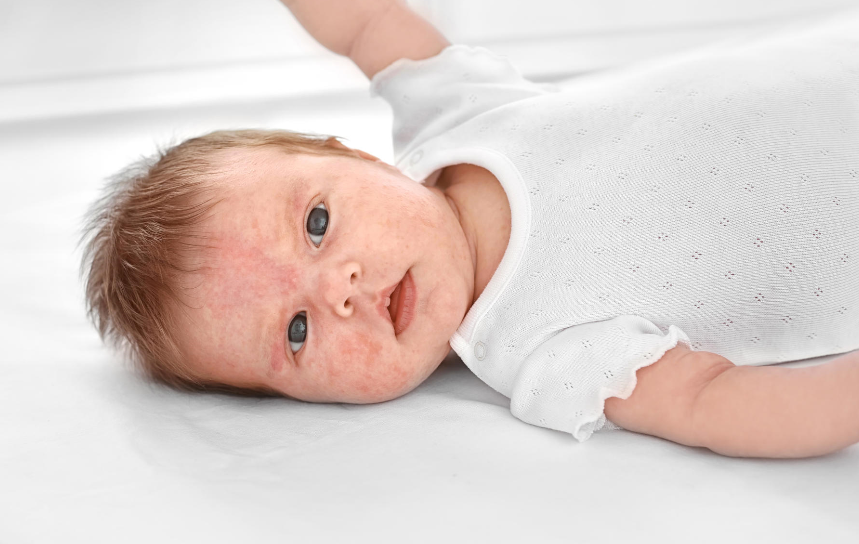
Allergy rashes are common throughout childhood. Allergy rashes look irritating and often itch and can be developed due to allergies, viral infections, fungal infections, or even severe medical conditions.
If your toddler is sensitive to certain substances, an allergic rash or contact dermatitis can occur when their skin comes in contact with them. This type of rash will appear right after the allergen is touched. Because rashes are so common, knowing how to treat them is hard. If you should take your toddler to the doctor, he will better suggest mitigation measures such as over-the-counter medications to resolve the allergy rashes.
Types of Rashes
A rash can also be known as dermatitis, swelling (puffiness), or skin irritation. It can be red, dry, scaly, and itchy. Rashes may contain lumps, bumps, blisters, and even pimples. When you were a baby, you probably had a diaper rash. Here are the different types of allergy rashes in toddlers:
Rash with Fever

A fever and a bright-red rash on both cheeks could be slapped cheek syndrome. Your child may have a cold, and the rash can spread to the whole body. The symptoms of this allergic rash may include high temperature, runny nose, sore throat, and headache. It usually clears up within a week or 2. Children’s paracetamol can carry down a fever.
Blisters on Hands, Feet, and the Mouth

Hand, foot, and mouth disease is a frequent childhood sickness that causes blisters on the hands and feet and ulcers on the tongue. Enterovirus coxsackie causes these allergic rashes. The symptoms start with a fever, runny nose & sore throat-very much resembling the common cold but then a rash with tiny blisters may appear in any of these places, including the mouth (gums, inner cheeks, tongue sides, and mouth’s back), fingers, palms of the hand, soles of feet or buttocks.
Initially, symptoms are worse for the first few days, but within a week, they are gone. After a week, skin starts peeling off on fingers, nails, and toes. However, it is harmless.
Treatment includes drinking fresh juices, eating yogurt, and taking ibuprofen may help relieve the symptoms.
Rash with Itching
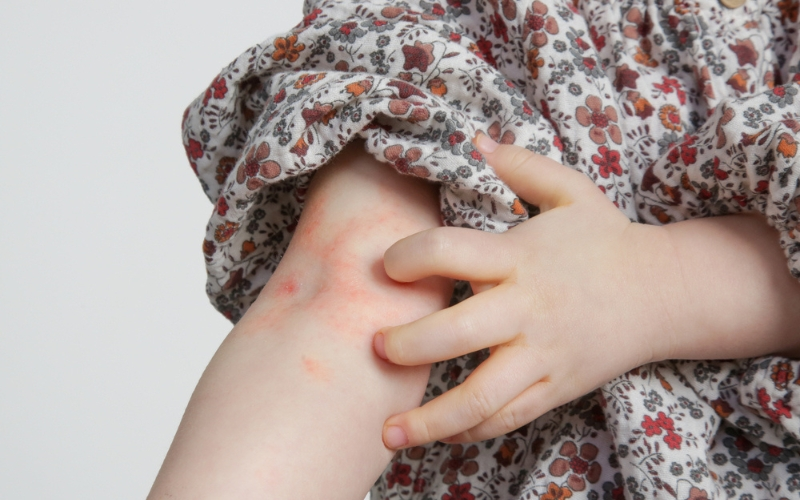
Heat and sweat can cause small red spots called prickly heat or heat rash. It itches, so you may observe your baby scratching.
The symptoms of heat rash include
- Small, raised spots
- An itchy, prickly feeling
- Mild swelling
Heat rash should clear up without medication. The skin may seem sore and feel hot. There may be spots or blisters well. It can make your child feel relaxed or distressed.
Raised Itchy Spot
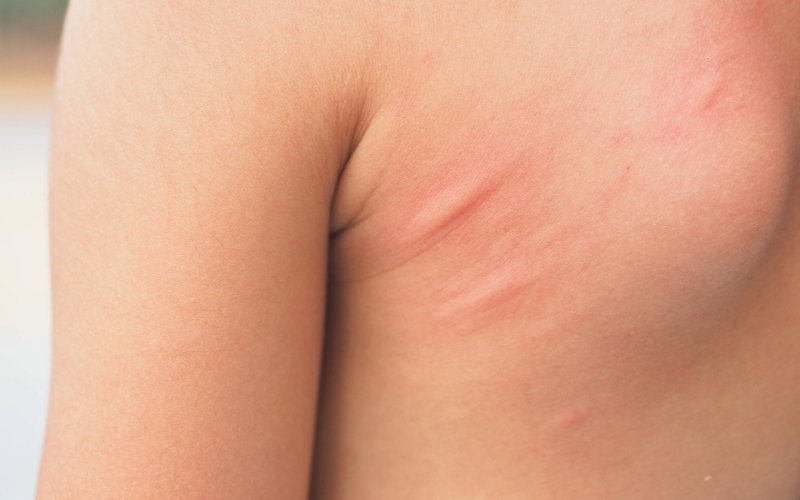
A raised, itchy red rash can be seen as an allergic reaction (hives or urticaria) to things like stings, latex, medicines (antibiotics), or food (eggs, milk, peanuts, wheat, soy, seafood, nuts, and strawberries). It generally clears up within a day or 2. Your doctor may suggest taking an antihistamine to treat or prevent hives.
Contact Allergy Rashes

Contact allergy rashes are pink and bumpy, flakey, and sometimes itchy. These allergy rashes appear quickly after touching an irritating substance. It may be a chemical in a product applied on the skin, such as sunblock, or a natural chemical in plants, such as poisonous oak resin.
The skin may develop blisters, look scaly, or appear leathery from frequent exposure. Usually, the rash goes away by itself. However, you can apply OTC ointment containing 1 percent hydrocortisone to irritated skin. Vaseline & Aquaphor may also bring soothing results.
Rashes as a Medication Side Effect
An allergic reaction to a medication such as antibiotics may develop allergy rashes in kids. Small red bumps appear that cover the whole body of a child. The severe condition may include a rash on the eye/lips/skin that looks cracked or bleeding.
Bacterial Rashes

Impetigo, also referred to as a staph infection, is a prevalent bacterial infection in toddlers. This condition typically causes the affected skin area to appear intensely red; in some cases, it may also be raw and scabby.
You can use topical antibiotic ointments, like Bacitracin, Neosporin, or a triple antibiotic product, without a prescription to treat the rash. However, if the rash spreads to other parts of the body and your child develops a fever, consult your doctor to treat the bacterial, allergic rashes.
Eczema
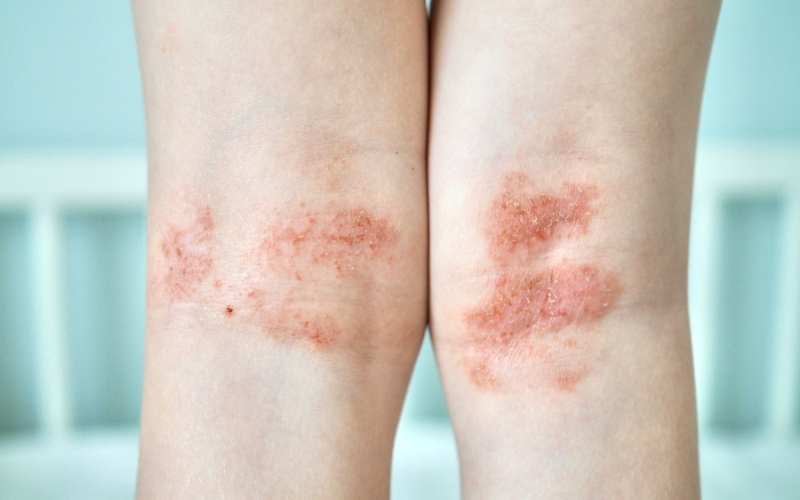
Eczema, or atopic dermatitis, is a common rash among kids. 10% of children are affected by eczema globally. If your child has asthma, food allergies, or hay fever, then there is a likely chance that your child will develop eczema.
In toddlers, the rash may appear on the face or head, while in elder children, it may appear on the arms & torso. Eczema can cause dry, chapped, bumpy areas around the elbows and knees or, in severe cases, red, scaly, and swollen skin all over the body.
Treatment may include avoiding triggers (dry air, sweating, rough fabrics, and foods like eggs, nuts, cow milk, wheat, soy, and seafood), moisturizers or ointments, and consulting a doctor in extreme conditions.
Allergy Rashes Prevention
Some of the preventive measures for allergy rashes include:
- To help manage your child’s allergic reactions, it’s essential to identify and avoid the cause. Each reaction can become more severe, so taking preventive measures is crucial.
- Consulting with your doctor about using antihistamines, such as Claritin, can help with mild symptoms like sneezing, runny nose, itchy mouth, hives, itching, and mild stomach discomfort.
- To relieve itching, avoid letting your child scratch the affected area and instead apply a cold, damp towel or take cool baths.
- Ice packs can be used for hives, swelling, or insect stings for 10 to 15 minutes at a time, but always put a thin cloth between the skin and the ice pack. Avoid hot baths or showers, as they can worsen the itching.
- If your child is at risk for severe reactions, ask your doctor about prescribing an epinephrine shot. Be sure to learn how to administer the shot and keep it with you at all times, ensuring it’s not expired. If your child is old enough, teach them to self-administer the shot.
When to see the doctor?
Allergy rashes in toddlers may be associated with various symptoms. Contact your doctor instantly if your child has the following:
- A rash that doesn’t get better after a few days or with over-the-counter treatment
- Fever with a rash
- Painful urination with a rash
- A butterfly-shaped rash across the nose and cheeks
- Is younger than six months old
- Bruises not related to an injury
- A rash that looks like a bull’s eye or is oval
- A rash that’s worse in skin creases
- A widespread rash with enlarged, tender lymph nodes
- A non-blanching rash
- Isn’t eating well
- Has changes in breathing or trouble breathing
- A rash that’s red, swollen, wet, crusty, blistering, or oozy
- A rash that peels and is localized on the palms or the soles of the feet
- A rash where the skin is sloughing involves the eyes or is inside the mouth or vaginal area
Also, talk to your child’s doctor anytime you have worries about their health. For example, it’s better to talk to your doctor about allergy rashes (even if it is benign and self-limiting) than to ignore symptoms of a severe medical condition.
